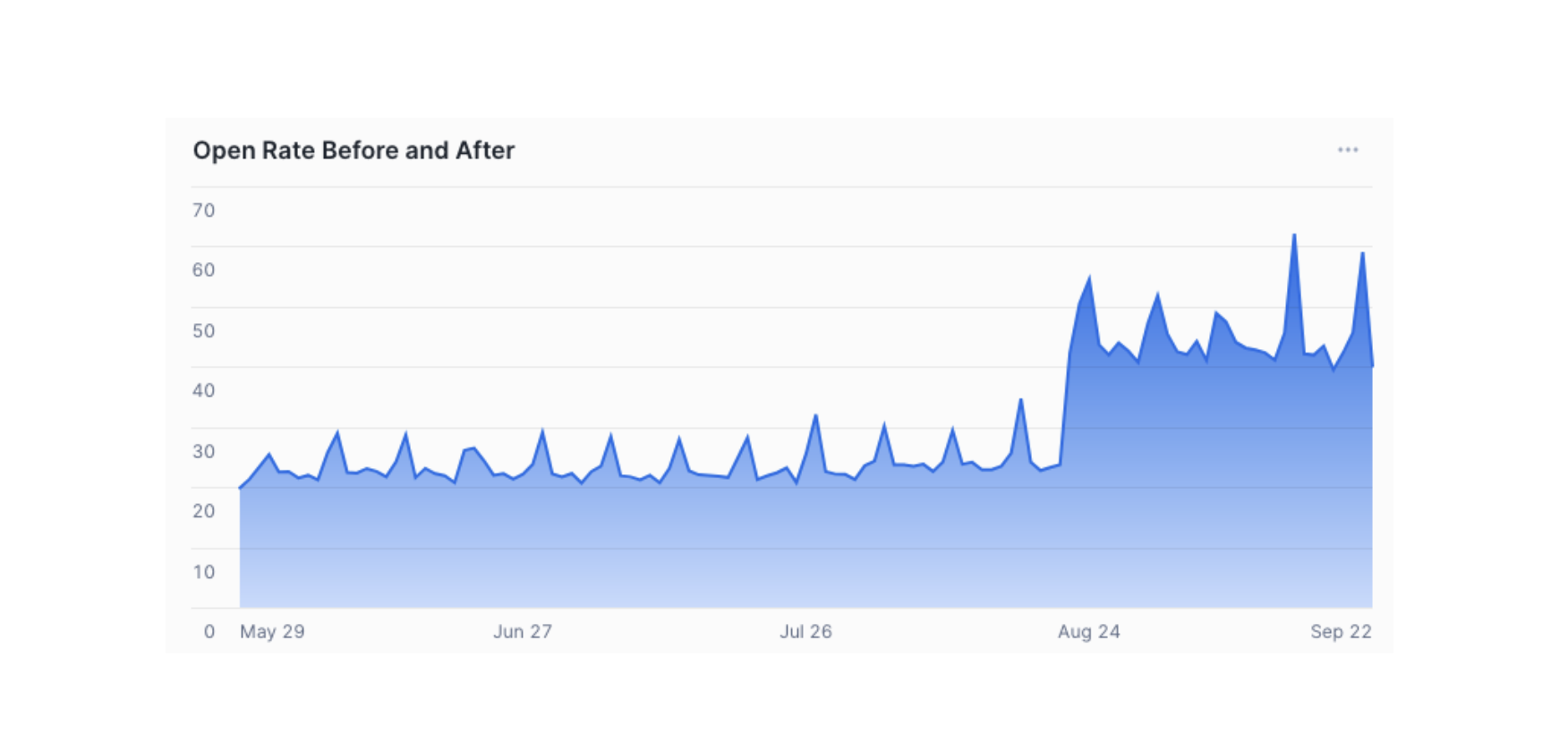
A real estate agent asked whether sending newsletters through Follow Up Boss could be the reason their regular emails started landing in spam. They noticed that after using FUB for newsletters, even normal one-to-one emails were being flagged, and they wondered if switching to a 3rd party tool like Mailchimp would fix the issue.
This is a very common concern, and the short answer is maybe. But not for the reason most people think.
Follow Up Boss uses shared sending infrastructure for many accounts. That means your deliverability can be influenced not just by what you send, but by what other senders on that same infrastructure are doing. This is why using a 3rd party provider for newsletters is often worth considering - it separates your sending reputation from everyone else’s.
However, simply switching tools doesn’t automatically solve spam problems.
Mailchimp, for example, isn’t always a great fit for FUB users. When integrated, pricing is often based on total contacts rather than actual newsletter subscribers, which can make it expensive fast. More importantly, deliverability still depends on how clean your list is, how you send, and how recipients interact with your emails.
A better option for many teams is using a dedicated sending provider like SendGrid integrated with FUB. In that setup, you’re the only sender using that infrastructure. That’s a huge advantage because your reputation is based solely on your behavior, not someone else’s bad practices.
However, infrastructure alone isn’t the root cause in many cases.
Deliverability problems usually come from things like:
- Old or unverified email addresses
- Spam traps or fake emails in the database
- Poor engagement (opens, replies, clicks)
- Content that triggers spam filters
- Recipients marking emails as spam
- Improper domain or DNS configuration
- Sending the same message to unsegmented lists
If those issues aren’t addressed, moving to a 3rd party platform won’t magically fix anything - you’ll just recreate the same problem somewhere else.
The takeaway is simple: using a 3rd party provider can help, but only when it’s paired with clean data, good sending practices, and properly configured infrastructure. Otherwise, the spam problem follows you, no matter what tool you use.