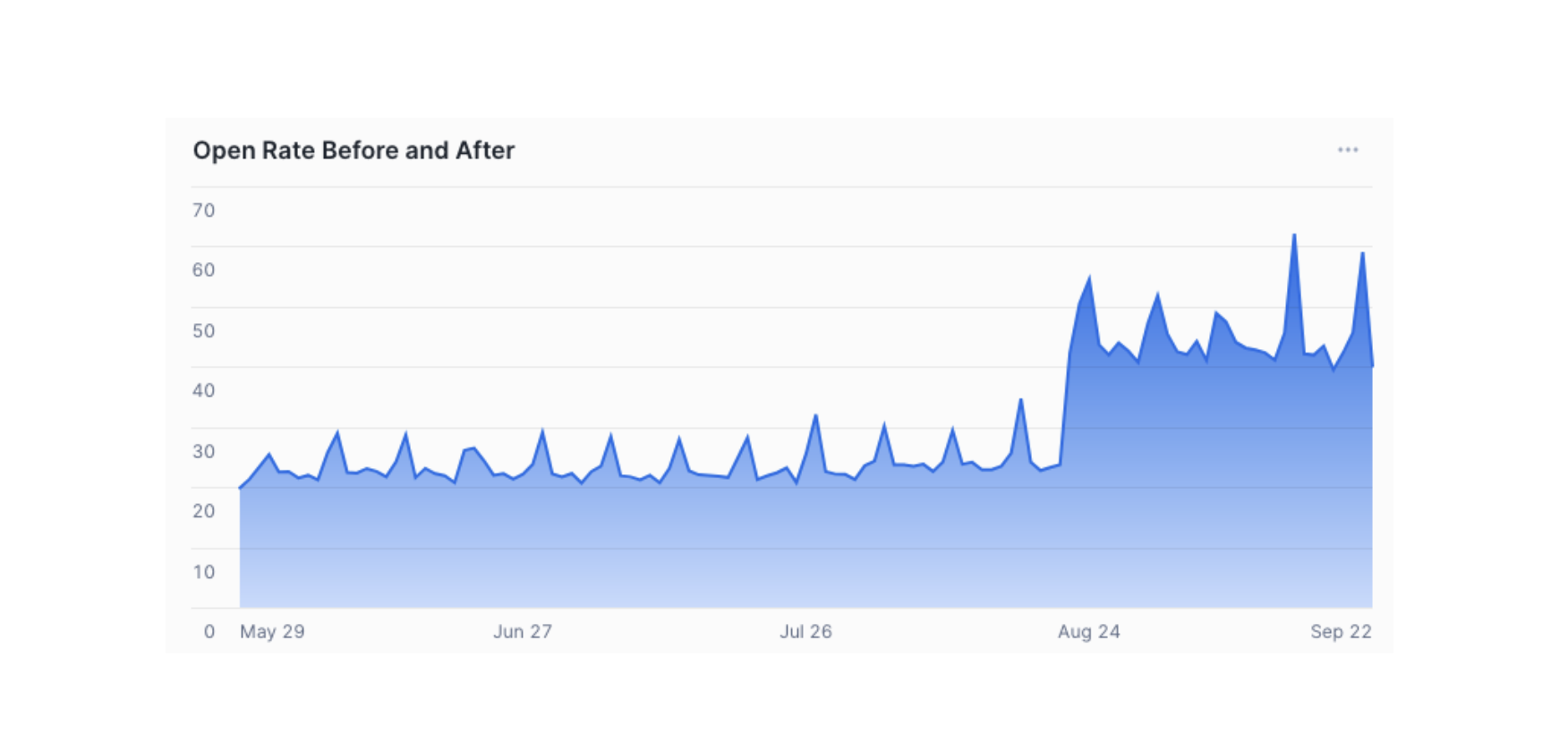
A business owner recently asked whether email reputation fixer tools could help them recover faster after being flagged as spam. They had already cleaned their database, removed non-responsive contacts, and reduced sending volume, but were hoping there was a shortcut to getting back to good standing.
This is a very common situation, especially after inbox placement suddenly drops.
What they were referring to are tools like MailWarm and similar warm-up / reputation repair services. These tools try to simulate engagement by having automated inboxes send, open, and reply to emails, with the idea that mailbox providers will see positive signals and restore trust.
In reality, this approach often backfires.
Every sender has a behavioral footprint. If you normally send real estate alerts or client communication and suddenly start sending random, generic messages designed only to generate engagement, that inconsistency stands out immediately. Spam filters don’t just look at opens and replies - they look at patterns, context, and sender history.
On top of that, these warm-up tools send messages to inboxes that are already known to Google, Microsoft, and other mailbox providers. When providers detect artificial engagement or attempts to manipulate reputation signals, they penalize the sender instead of rewarding them. We’ve seen many cases where these tools actively damaged sender reputation rather than repairing it.
My recommendation is simple and not very exciting, but it works.
There is no shortcut to repairing email reputation. The safest and most effective approach is to send real emails to real people who actually expect to hear from you. Start with low volume, focus on engaged contacts, and gradually increase sending over a one- to two-month period depending on your target volume. Consistency matters more than speed.
If your reputation took a hit, the fix isn’t tricking the system - it’s rebuilding trust the same way it was lost.
Sometimes the slow way is the only way that actually lasts.