Backscatter Injection Attacks Exploiting Legitimate Infrastructure

January 8, 2026

Backscatter injection attacks exploit non-compliant domains to deliver phishing payloads via legitimate bounce-back messages, polluting inboxes and server infrastructure.

Backscatter Injection Attacks Exploiting Legitimate Infrastructure

Backscatter injection attacks have been hitting our clients more frequently recently.

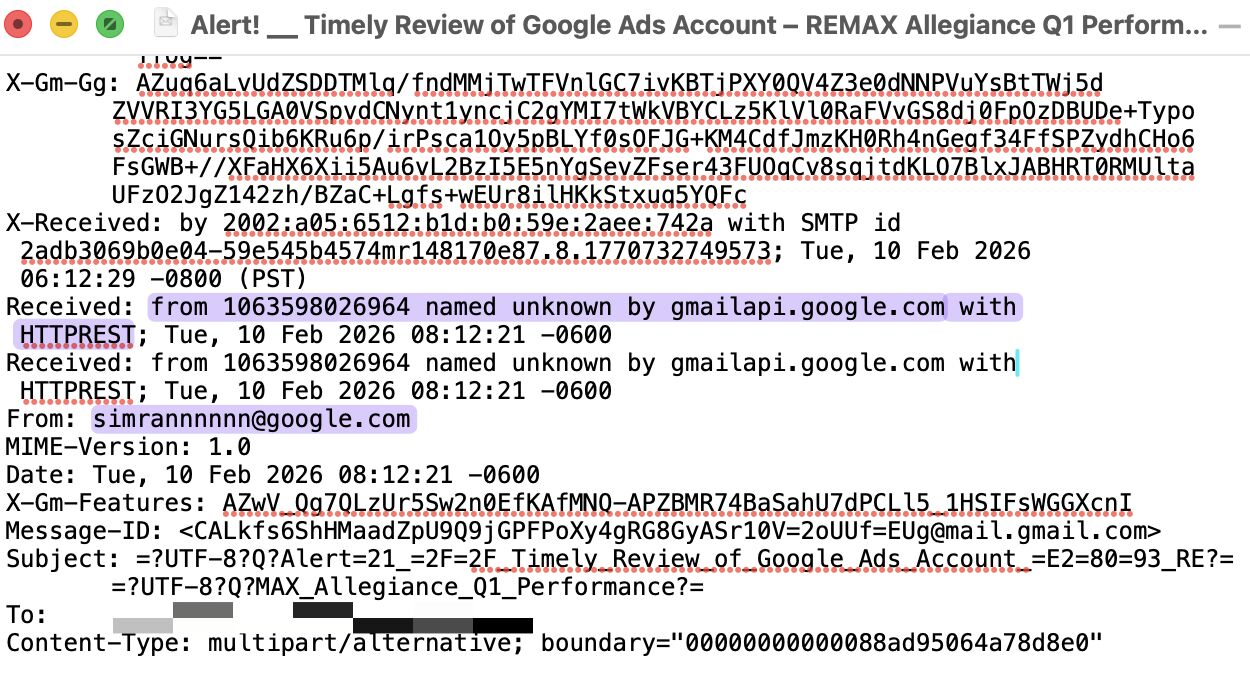
These emails often bypass spam filters because they appear to come from legitimate infrastructure like mailer-daemon[at]googlemail[.]com.

In reality, they’re bounce-back notifications intentionally triggered by attackers.

They spoof domains without DMARC p=reject, send phish to non-existent recipients, and let mail servers generate NDRs that deliver the payload.

When bounce messages include the original content, the mail server becomes a phishing relay.

This damages mail server's infrastructure, pollutes inboxes, and lets phish to go through putting risks at its users.

And the worst thing is that Gmail users are mostly just passengers, with very little control.

Related posts
All posts
Backscatter Injection Attacks Exploiting Legitimate Infrastructure

Attackers use backscatter emails to bypass filters, harming servers and delivering phishing content.

Backscatter Injection Attacks Exploiting Legitimate Infrastructure
The Risks of Abruptly Enforcing DMARC p=reject in Organizations

Sudden DMARC enforcement can disrupt workflows, block emails, and impact organizational operations significantly.

The Risks of Abruptly Enforcing DMARC p=reject in Organizations
How a Fake Bank Transfer Email Nearly Fooled Me

Spoofed emails can mimic trusted senders, highlighting risks in elementary school communications.

How a Fake Bank Transfer Email Nearly Fooled Me