How SaaS Platforms in Real Estate Enable Spam and Phishing
November 12, 2025
Malicious actors exploit listing alerts and friendly-from addresses, bypassing protections and harming both platform and client reputations.


Malicious actors exploit listing alerts and friendly-from addresses, bypassing protections and harming both platform and client reputations.
This is how security actually works in real estate (kidding, there’s no security):
A SaaS platform hosts white-labeled pages for real estate companies, where homebuyers browse listings and set up alerts.
When a new MLS property hits the market, the system fires off an email notification.
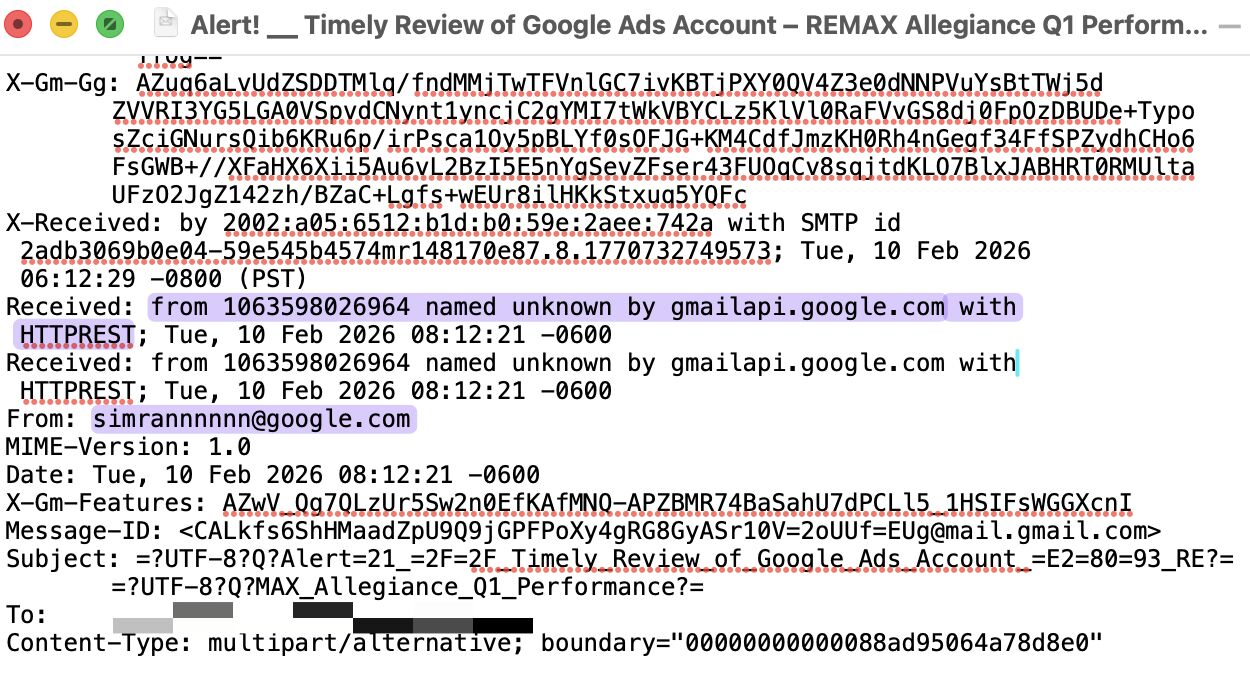
But the email doesn't come from the client's domain - it comes from the SaaS platform's domain, with only the "friendly from" name showing the real estate company's brand.
This creates a vulnerability that bad actors are actively exploiting.
An attacker finds any publicly searchable client page through Google. They register as a "homebuyer" from Los Angeles or New York (markets where new MLS listings appear constantly). Then they:
- Enable every notification type (instant, daily, biweekly, weekly, etc)
- Add random email recipients
- Customize subject lines to impersonate PayPal / invoices, Stripe / password resets, etc
- Embed phishing links, etc
An instant spam bomb is distributed through legitimate Sendgrid infrastructure. Every malicious email passes through because it's coming from a "trusted" SaaS domain.
Doesn’t seem like a regular config bug but rather an architectural flaw. A series of poor design and engineering decisions that put both the platform and their clients’ reputations at risk.
I don’t see an easy fix, but the first thing I’d do is restrict customization of listing alerts.