Why Email Warm-Up Is Critical for Deliverability
August 28, 2025
Sudden email volume spikes signal compromised domains to mailbox providers, causing spam filtering and long-term deliverability damage.

Sudden email volume spikes signal compromised domains to mailbox providers, causing spam filtering and long-term deliverability damage.
Emails are like cars - you can’t get a license at 18 and immediately drive 130 mph. It’s dangerous. You need to start slow, get comfortable, and gradually increase speed safely.
The same goes for emails. Connecting to a new system and blasting 30k newsletters overnight without warming up will get you banned by Google and Microsoft, which may see your domain as compromised.
It’s frustrating to explain warm-up strategies to past clients only to see them send 29,000 emails at once the next day, undoing all the progress made to improve deliverability.
Be responsible: emails = brand and revenue.
Would you buy from someone whose emails go to spam? I wouldn’t. If my Gmail doesn’t trust the sender, I wouldn’t either.
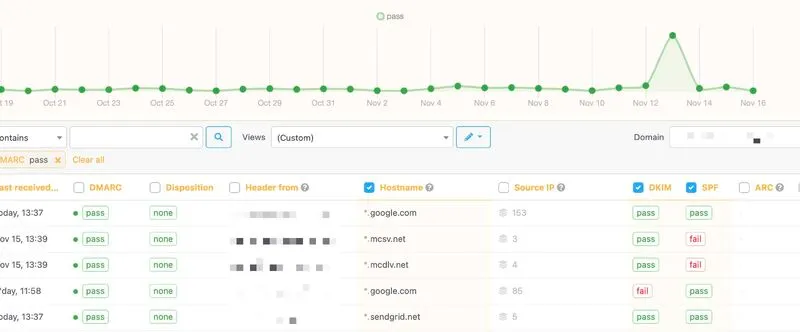
The screenshot chart shows daily sending volume: the spike is 29k, while the flat line is around 1,000. Screenshot is powered by Uriports