Why Ignoring Email Deliverability Can Ruin Your Marketing ROI
April 24, 2025
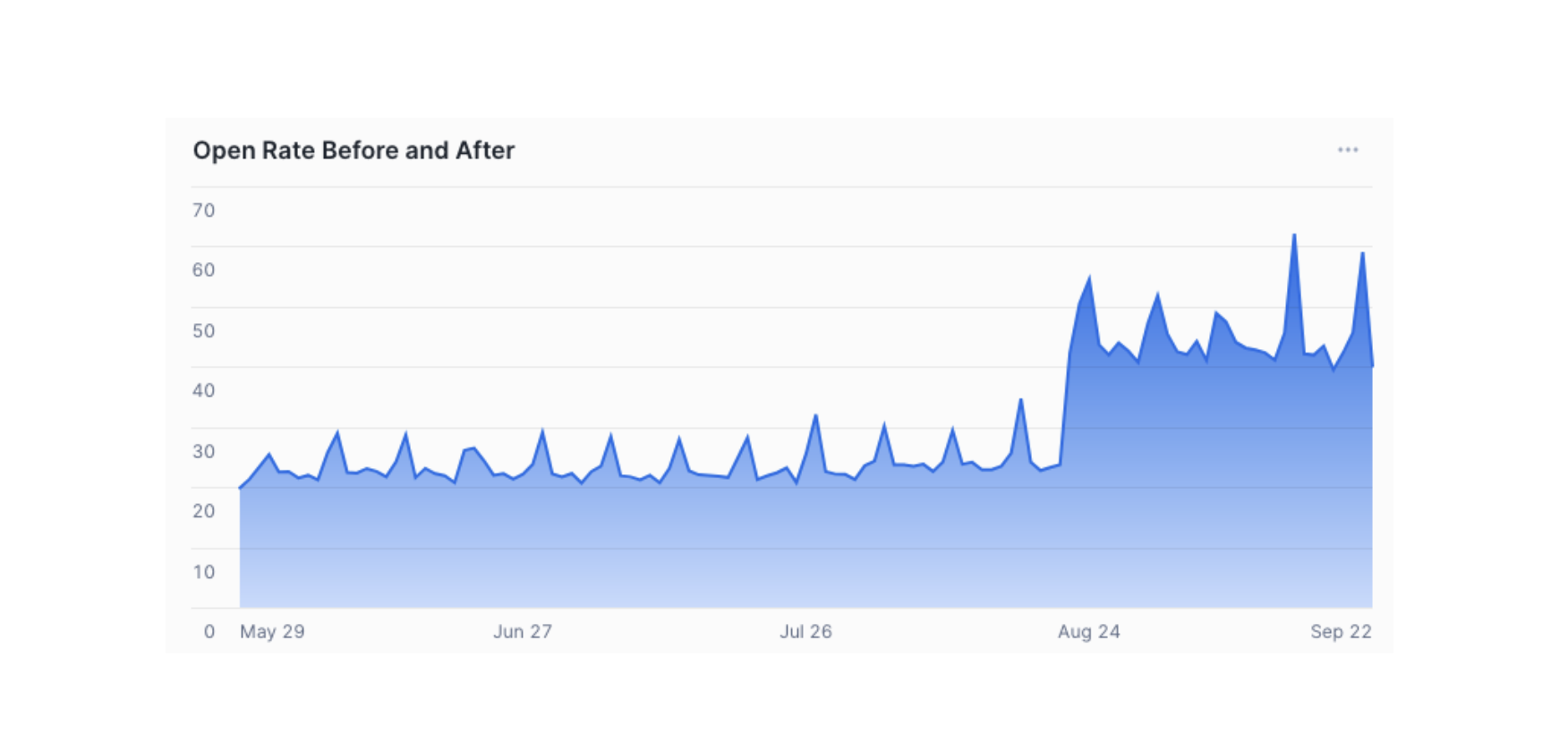
Even the best ad campaigns fail if emails land in spam, preventing direct, personal connections with subscribers.
Even the best ad campaigns fail if emails land in spam, preventing direct, personal connections with subscribers.
Most companies pour money into ads and completely overlook email. That’s their biggest mistake. Here’s why:
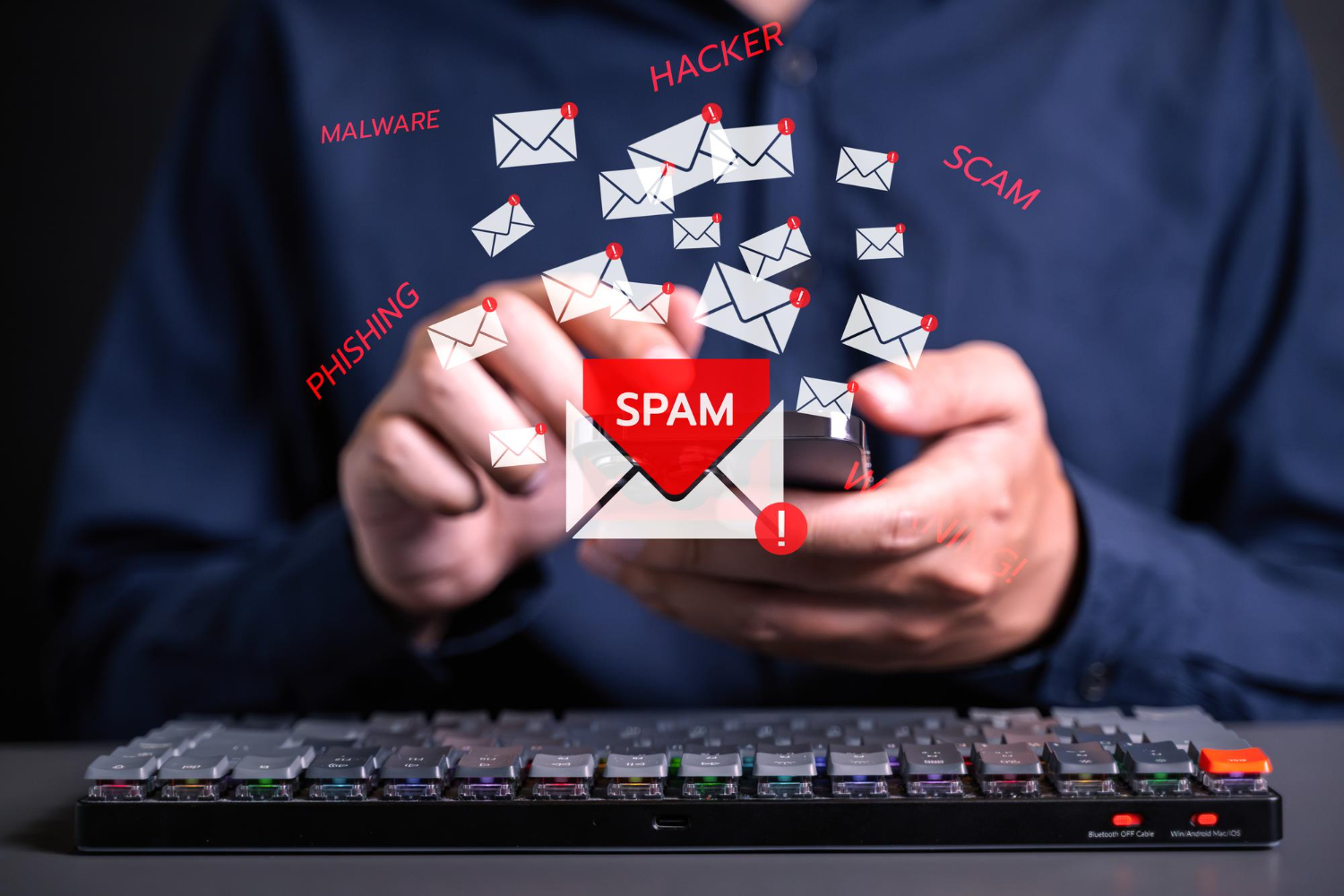
When someone clicks your Facebook ad and signs up, but your emails land in their spam folder, you lose them before you even start.
If Google doesn’t trust your emails enough to deliver them, why would your subscribers trust you?
When your emails are buried in spam, you’re missing the chance to build a direct, personal connection.
Social platforms like YouTube, Facebook, Instagram, and TikTok are powerful but they make people feel like part of the crowd. Email has the power to make people feel seen.
It’s like going to a concert. You enjoy the energy of the crowd. But when the lead singer locks eyes with you, that’s a moment you remember. That’s a connection.
That’s exactly what good email can create: thoughtful, relevant, personal communication - if your messages actually reach the inbox.
Spam folders kill that opportunity.
I’ve never seen a successful brand that grew by being discovered in someone's spam folder.
If you’re investing in ads but not protecting your email deliverability, you’re setting yourself up to lose. Quietly, but completely.