Why Sudden Newsletter Volume Spikes Damage Deliverability
August 13, 2025
Mailbox providers treat abrupt volume increases as compromised behavior, leading to spam placement and long-term deliverability issues.

Mailbox providers treat abrupt volume increases as compromised behavior, leading to spam placement and long-term deliverability issues.
A quick reminder for everyone: when setting up your newsletters, avoid sending massive email volumes all at once. Incoming email servers are likely to flag your messages as spam, as they may interpret the sudden spike as a sign that your account has been compromised and is being misused by a scammer.
To avoid this, ensure that your email volume increases gradually. Do not increase your email volume by more than 50% compared to the previous newsletter if they are sent weekly, or by more than 30% if they are sent monthly, especially if there has been no email traffic in-between.
For example, if you typically send newsletters to 300 people and decide to send to 1,000 people, you can expect many of the emails to land in spam. This will harm your domain reputation, making it challenging to recover and regain inbox placement.
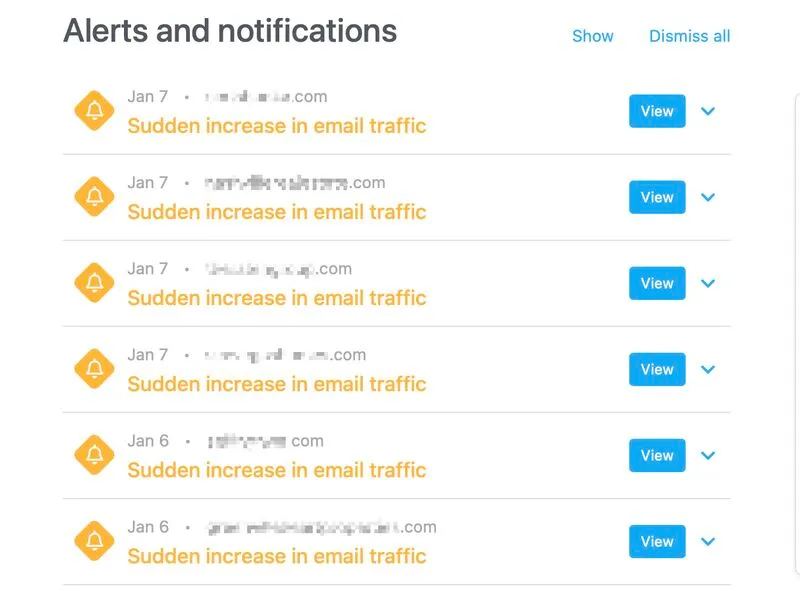
Attached is a notification we received via URIports about sudden spikes in our client's accounts. What’s the point of working with experts if you ignore their recommendations?
Always warm up your email sending!