Why Email Open Rates and Click-Through Rates Can Be Misleading
March 12, 2025
Even highly engaged newsletters can show low ESP-tracked open and click rates; manual replies often reveal actual engagement.
Even highly engaged newsletters can show low ESP-tracked open and click rates; manual replies often reveal actual engagement.
Proof that you should never rely on email open rates or click-through rates alone.
Our company sends highly engaged weekly newsletters to a small database of people. We don’t have a publicly available sign-up form - every person receiving our newsletter was manually added by me after obtaining written or verbal confirmation that they wanted to receive it.
Occasionally, we give away free, valuable resources to help our subscribers improve deliverability or reduce spam complaints, and they genuinely appreciate it. Each newsletter we send generates around 5-10% reply rates.
Last week, we sent a newsletter offering something to our subscribers. Those who confirmed their interest by replying with a specific keyword automatically received a follow-up email containing the offer via a link.
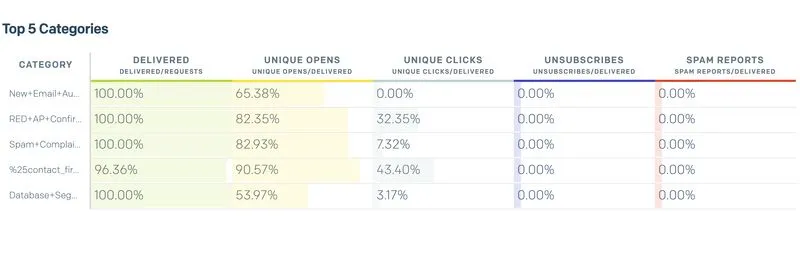
As shown in the screenshot below, the email open rate for "RED+AP+Confirmation" was only 82.35%, and the click-through rate was 32.35%. However, these numbers don’t reflect the actual engagement - far from it.
Takeaway: relying solely on open rates and click-through rates is misleading when measuring engagement. Some opens and clicks go untracked, while others come from bot activity, not real users.
That’s why sunsetting unengaged leads is still critical, but blindly trusting ESP-provided stats can lead to mistakenly removing genuinely engaged subscribers from your list.