Protecting systems, networks, and data from digital threats.
EDV records appear optional since DMARC reports often send successfully without explicit external destination verification.
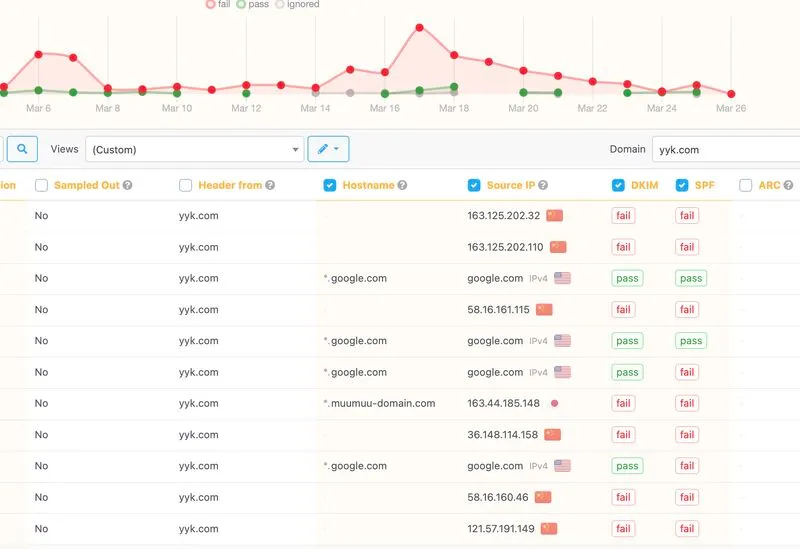
Even with p=reject, some email servers may still accept spoofed messages, creating residual risks.
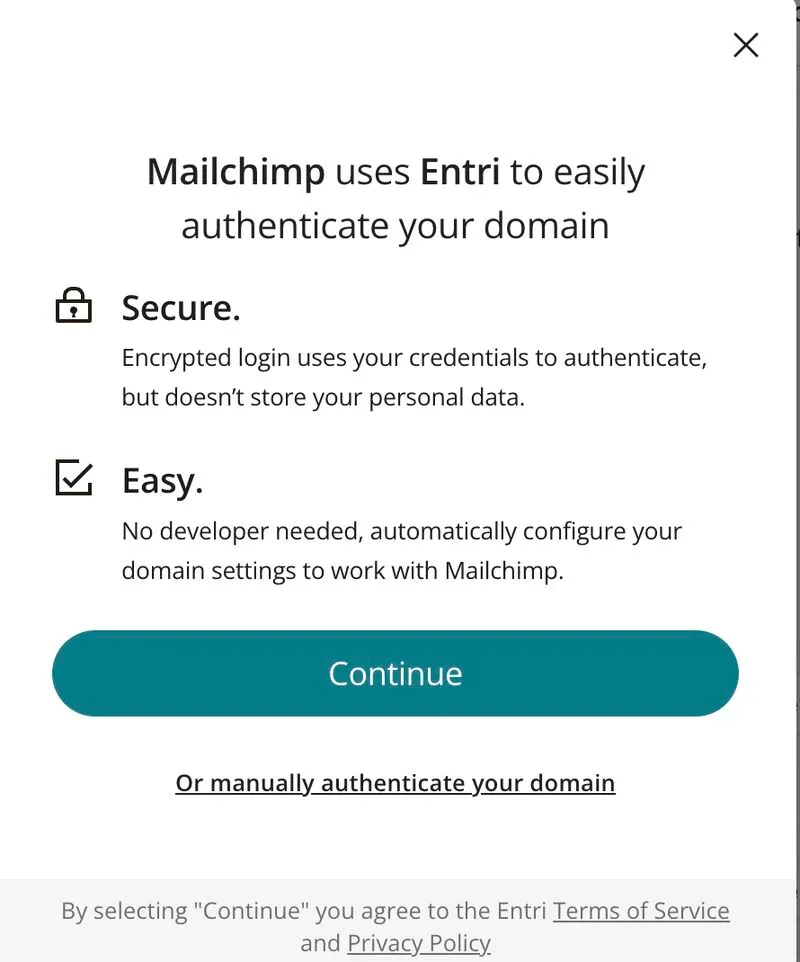
Mailchimp’s auto-DKIM setup may replace strict DMARC, exposing domains to spoofing and phishing attacks.
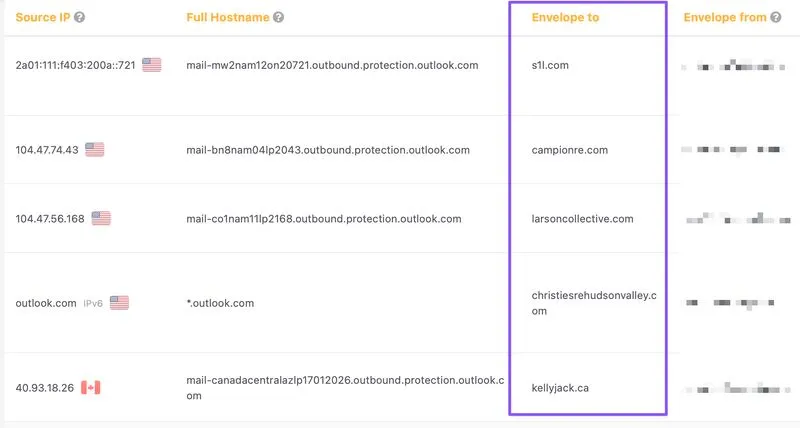
Microsoft DMARC aggregate reports reveal recipient domains, creating insider threats and increasing phishing risk.
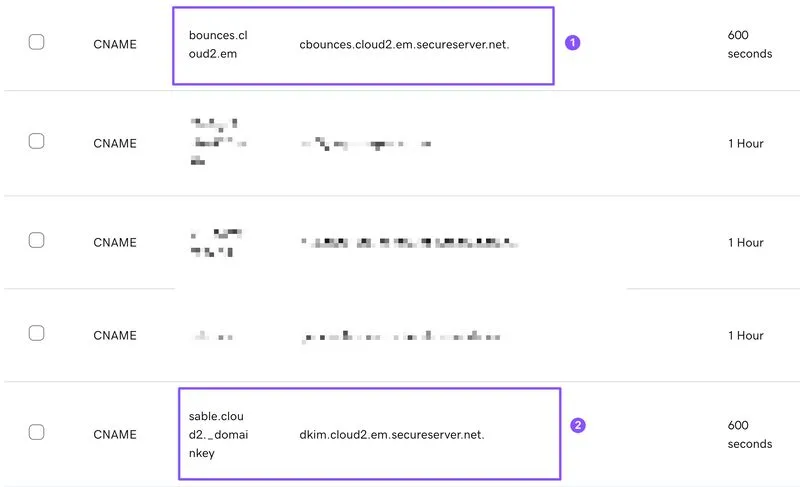
Unexpected SPF and CNAME modifications bypassed DMARC, raising concerns about domain security with GoDaddy.
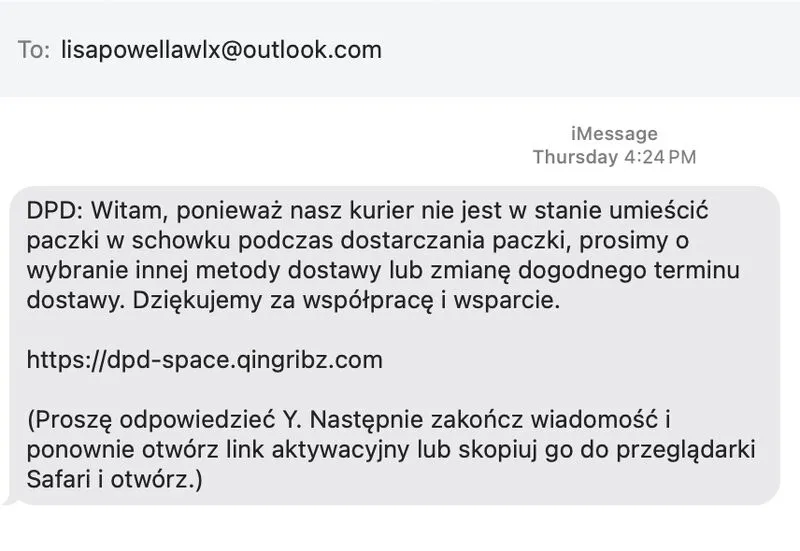
Precision phishing leveraged live DPD delivery data, exposing potential system-level breaches and GDPR risks.
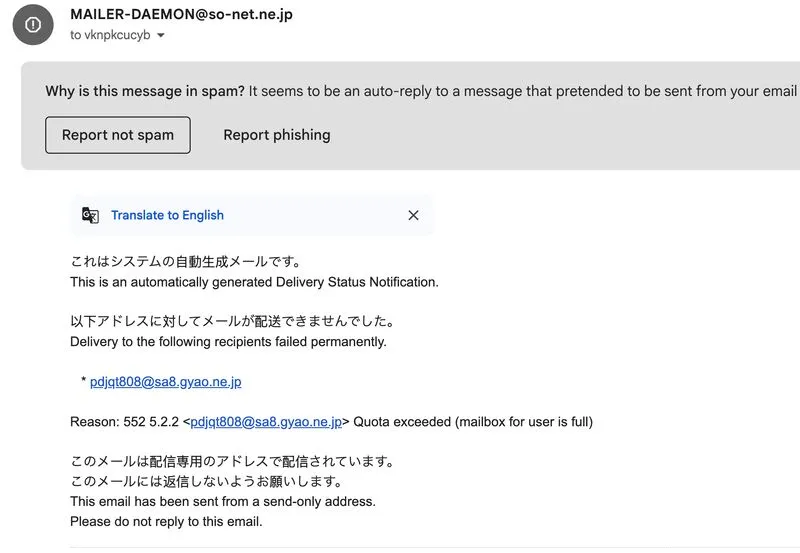
Even small, lightly-used domains can be exploited for spoofing, phishing, and scams without owner knowledge.

.jpg)